
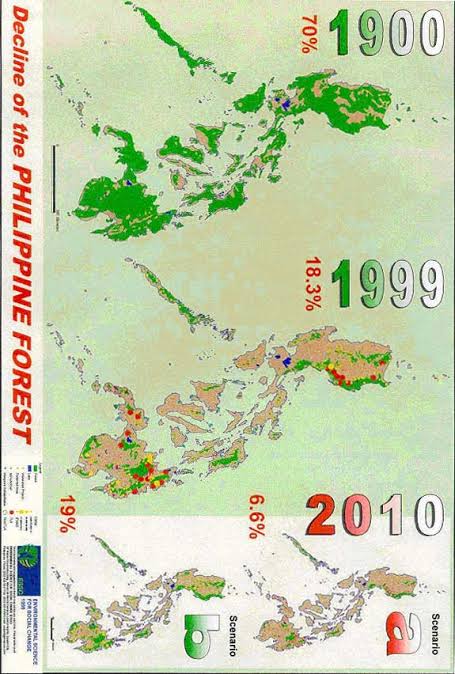
The Philippines is one of the most severely deforested countries in the tropics and most deforestation has happened in the last 40 years. Estimates place forest cover in the Philippines in the year 1900 at 21 million hectares, covering 70 % of the total land area. By 1999, forests covered 5.5 million hectares; only 800,000 hectares of this was primary forest. As illegal logging continues, the remaining forest is endangered.
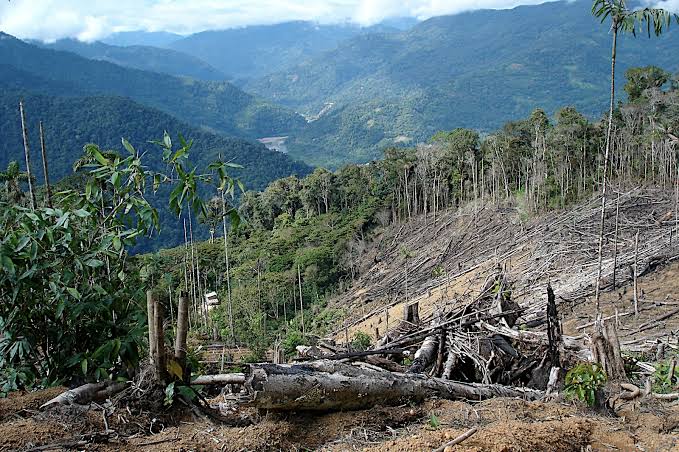
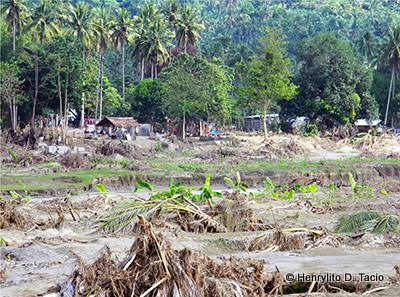
The Philippines is paying a high price for the destruction of its forests and a number of major problems confronting the nation can be traced directly to deforestation. Today, the country faces food insecurity due to soil erosion, which means depleted nutrients and low crop yield. In many provinces, at least 50% of the topsoil has been lost, and 70% of all croplands are vulnerable to erosion. The country’s climatic conditions are such that typhoons sweep the country an average of 19 times a year. The topography is mainly uplands with a slope equal to or greater than 18% and these areas make up 52% of total land area. In the absence of forest cover and with frequent heavy typhoon rains, soil erosion, mass wasting, and landslides are induced.
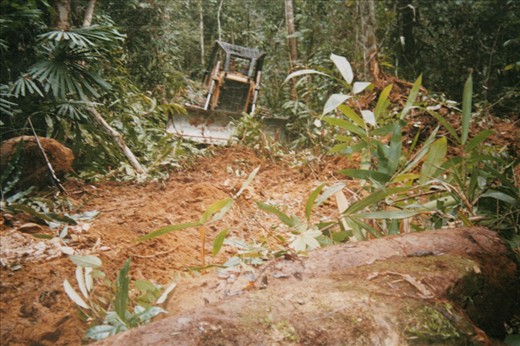
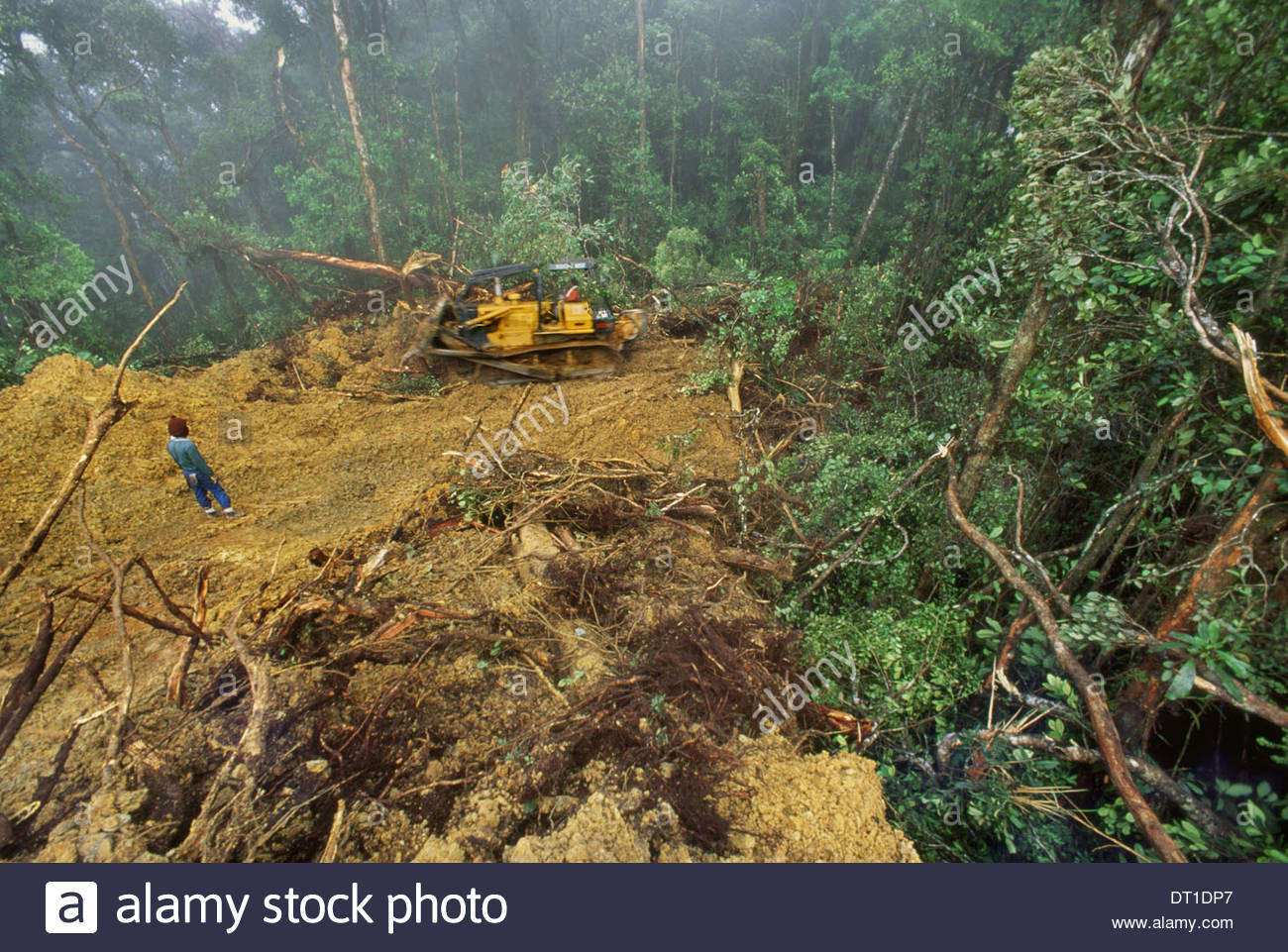
The decimation of the forest is a tragedy for indigenous peoples. Ethnic groups become forced to retreat into the interior and further impoverished. Government is doing little to raise these people above their subsistence level. Some have left their lands, and the sight of indigenous peoples begging in city streets is not uncommon. They have lost their lands, and their culture has been degraded. With the destruction of indigenous cultures, the nation is losing a treasure that should be nurtured to enrich national cultural diversity.
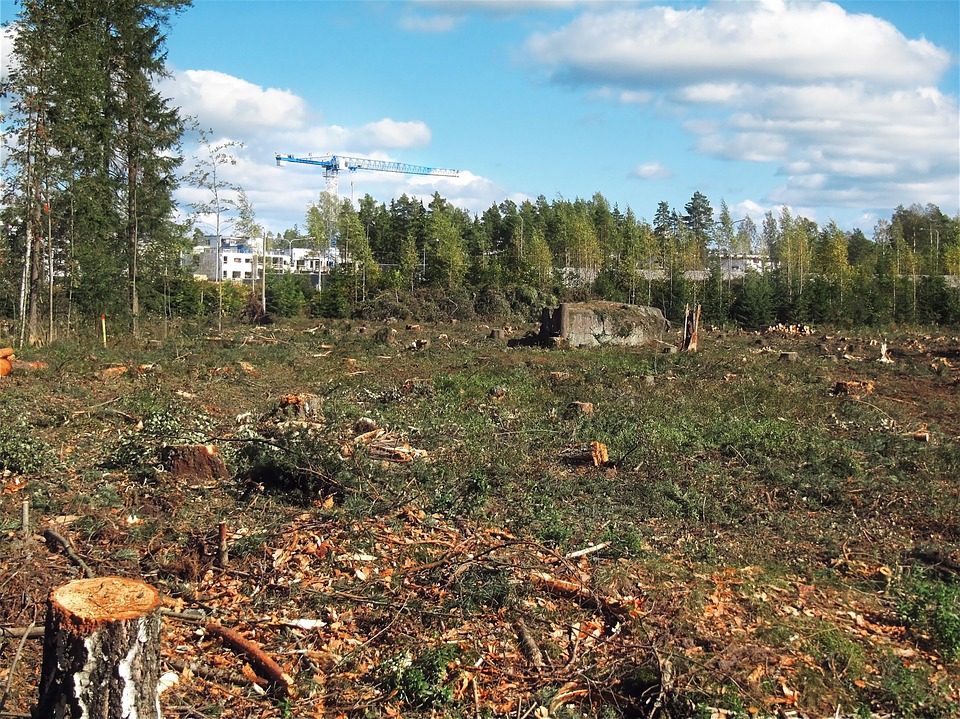
This loss of cultural communities is closely linked to the loss of biodiversity. Tropical forests are rich in herbs, woody plants, birds, insects, and animal life. Destroying the forests means destroying the myriad creatures and flora on which the indigenous communities depend. Forest loss also means loss of forest products such as, rattan, resins, and gums, a source of livelihood for indigenous people. Wildlife is quickly disappearing and to date, the destruction of the ecosystems is taking a heavy toll on biodiversity: 18 species of fauna are already rare and endangered, while 43 species of birds are threatened with extinction.

 Planet Mania