
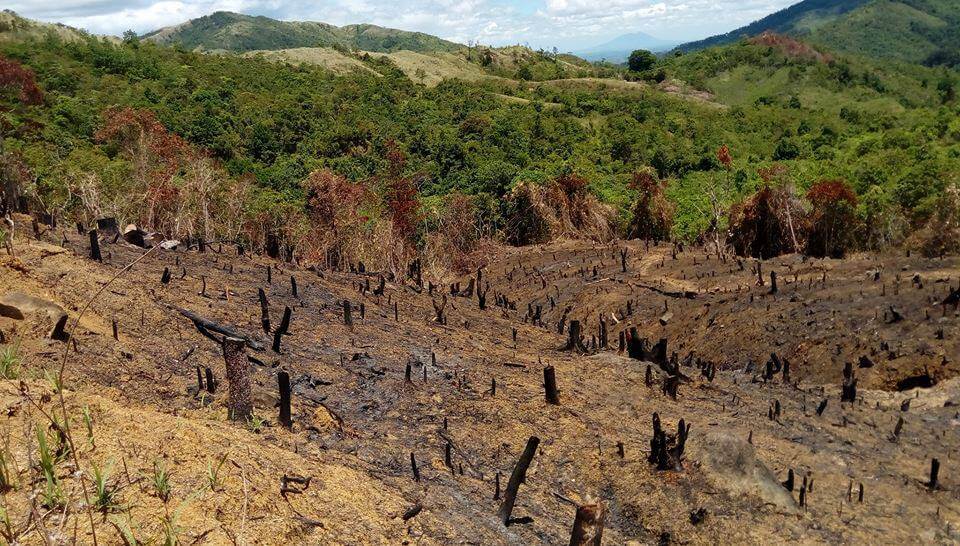
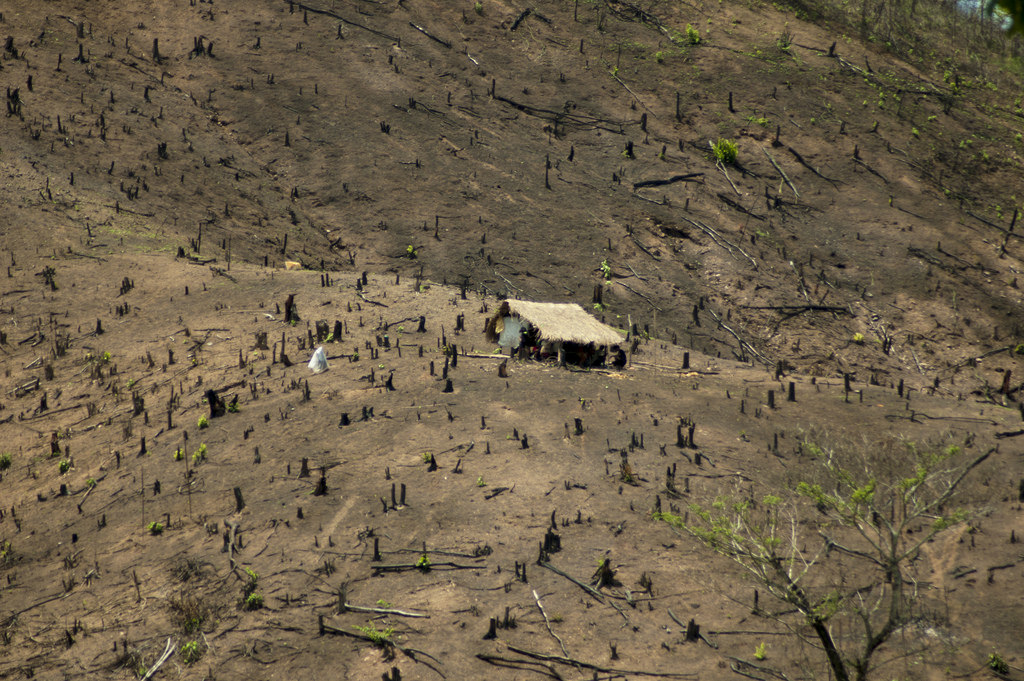
Shifting cultivation in the Philippines is widely referred to as ‘kaingin’, but as this paper reported, different communities attached different meanings to the term. The most common local definition was slash-and-burn with no return to forest, and farmers in all areas attributed deforestation to kaingin rather than to commercial logging. In the past, forest resources helped fuel the country’s economy. Even the forests in the lowlands – mangroves, that is – are not spared from denudation. Approximately two-thirds of the country’s original mangroves have been lost. Aside from logging (whether legal or illegal), other causes of deforestation in the Philippines are forest fires, “kaingin” farming (slash-and-burn agriculture), and mining operations. The outcome: food crisis, devastation of lands and water resources, biodiversity facing extinction. The removal of forest cover has bolstered soil erosion in the uplands. Soil erosion is an enemy to any nation – far worse than any outside enemy coming into a country and conquering it because it is an enemy you cannot see vividly. The loss of nutrient rich soil reduces crop yields and contributes to the expanded use of chemical fertilizers – a practice that can, in turn, pollute water resources. The loss of nutrient rich soil reduces crop yields and contributes to the expanded use of chemical fertilizers – a practice that can, in turn, pollute water resources. Rapid forest loss has eliminated habitat for unique and threatened plant and animal species, At the rate our forests are getting destroyed, many species many no longer be around when we need them, Filipinos are urged to stop cutting trees now and preserve the remaining forests the country has. . Farmers had responded to deforestation by planting or regenerating trees on their lands. The areas with the most secure land tenure had the highest diversity of tree species on farms.

 Planet Mania